Correct Aluminum Wiring Safely and Permanently
Aluminum-to-Copper Pigtailing in Albuquerque
If your home in Albuquerque was built in the 1960s or early 1970s, it may contain aluminum branch wiring. Aluminum expands and contracts more than copper when it heats up, which loosens connections at outlets and switches over time. Loose connections create heat, and heat increases fire risk. You may notice flickering lights, warm cover plates, or outlets that stop working intermittently.
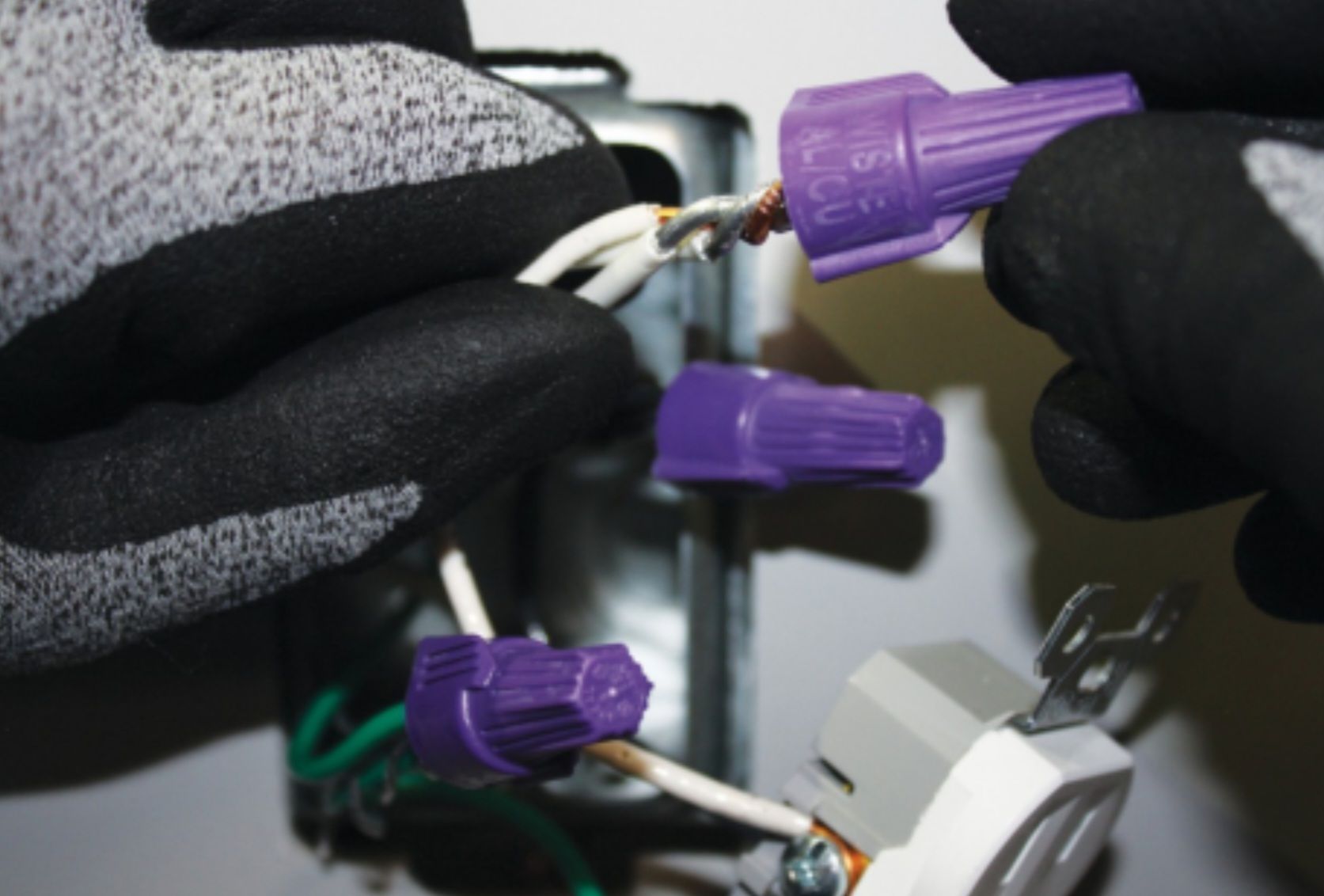
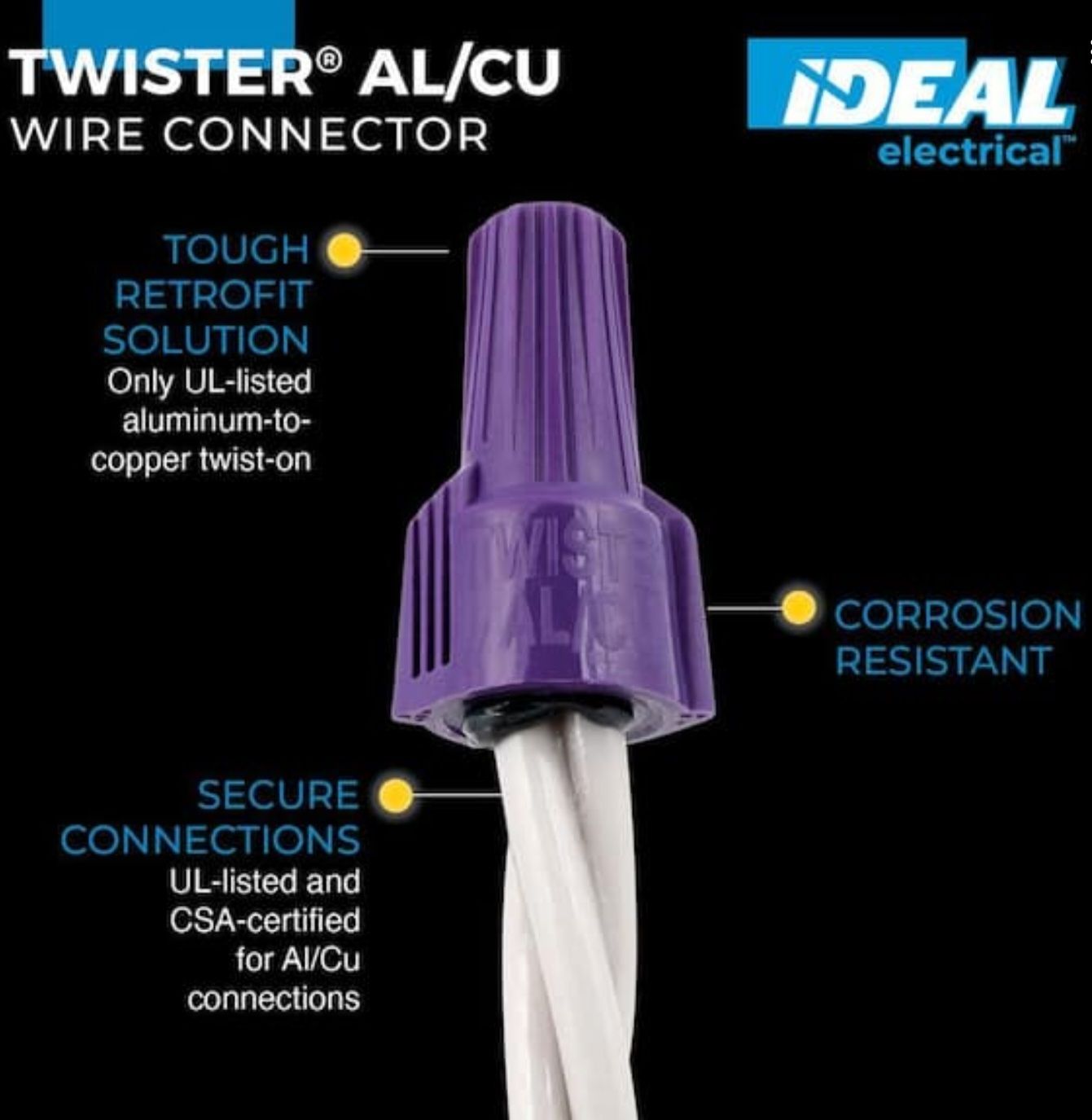
Add-On Electric, LLC corrects aluminum wiring hazards using a method called pigtailing in Albuquerque and surrounding areas. We attach a short copper wire to the end of each aluminum wire using a special connector rated for dissimilar metals. The copper pigtail then connects to the outlet or switch, eliminating direct contact between aluminum and device terminals. This method meets current safety standards and removes the fire risk created by incompatible metals.
Call Add-On Electric, LLC to schedule aluminum-to-copper pigtailing in Albuquerque.
Pigtails Prevent Overheating at Every Connection Point
We turn off power to the affected circuits in your home in Albuquerque and remove the cover plates from outlets and switches. We disconnect the aluminum wires from the device terminals and attach a copper pigtail to each wire using an AlumiConn or similar approved connector. We then connect the copper pigtails to the new outlet or switch and secure the device back into the box. We restore power and test each connection to confirm it carries current without overheating.
After we finish, every outlet and switch in the affected circuits has a copper connection at the terminal. The aluminum wire remains in your walls, but it no longer touches brass or copper screws that cause expansion mismatches. You will not see flickering lights or feel warm cover plates. The connections remain tight and stable over time because copper and aluminum do not expand at different rates when separated by an approved connector.
We replace outlets and switches with devices rated for copper wire and apply antioxidant paste to aluminum connections before attaching pigtails. Pigtailing does not require rewiring the entire home, which reduces cost and disruption. We do not pigtail connections inside the electrical panel or at large appliances, which require different correction methods. After pigtailing, your home's aluminum wiring no longer poses an increased fire risk at device connections.
Homeowners With Aluminum Wiring Usually Have Specific Concerns
Owners of older homes in Albuquerque often ask whether pigtailing fixes the problem permanently, how long the work takes, and whether insurance companies accept the repair. These answers help clarify what the correction involves.
What makes aluminum wiring dangerous?
Aluminum expands and contracts more than copper when it heats up. Over time, this movement loosens connections at outlets and switches, which creates heat and increases fire risk.
How does pigtailing fix the problem?
We attach a short copper wire to each aluminum wire using a connector that prevents corrosion. The copper wire connects to the outlet or switch, eliminating direct contact between aluminum and device terminals.
Why not just replace all the aluminum wiring?
Rewiring an entire home costs significantly more and requires opening walls. Pigtailing corrects the hazard at connection points, which is where most failures occur, without removing wiring inside walls.
Will my insurance company accept pigtailing?
Most insurers accept pigtailing when performed by a licensed electrician using approved connectors. We provide documentation that confirms the work meets safety standards.
How long does pigtailing take?
Pigtailing a typical home with ten to fifteen outlets and switches takes four to six hours depending on box accessibility and the number of circuits involved.
Add-On Electric, LLC corrects aluminum wiring hazards using approved pigtailing methods that eliminate overheating at outlets and switches. Get in touch to schedule the work in Albuquerque.